 crackthe.net

Security & Privacy
The vulnerabilities that crack the net.
Some vulnerabilities hit large parts of the internet at once and put security and privacy at risk. This timeline shows the biggest, chosen by fixed criteria. Each case shows what happened, how far it reached, and what to do now.
- [ 01 ] SCAN every case that meets the criteria
- [ OK ] FOUND 20 vulnerabilities · 32 attacks on IT and ICS · 2001 → 2026
- [INFO] WORST highest CVSS score 10.0: Code Red, Conficker, Log4Shell
- [ NOW] LATEST PHP2Shell (2026) · CVSS 9.8
- [ OK ] RESULT timeline below
Vulnerability timeline
Current: fix released, update now
PHP2Shell
Two flaws in PHP itself let attackers take over web servers without a password, on WordPress, Drupal, Joomla and many other applications.
69.3 % of websites with a known server language run on PHP
What to do now: Update PHP to 8.5.12, 8.4.27, 8.3.36 or 8.2.35, or newer, depending on your branch.
MOVEit Transfer
The Cl0p gang used an unknown flaw in the MOVEit Transfer file server to steal data from 2,773 organizations.
95.8 million people whose data was affected, according to breach notices (Emsisoft)
Log4Shell
One line of text in a log was enough to make servers run attackers' code, through a Java library that 35,863 packages depended on.
35,863 Java packages on Maven Central used the flawed code, more than 8 % of all (Google)
ProxyLogon
Four flaws in Microsoft Exchange let attackers read mailboxes and take over mail servers without a password, two months before a fix existed.
400,000 Exchange servers at risk the day before the fix (nearly that many; not all were hacked)
Citrix ADC
A flaw in Citrix's remote access gateways let anyone on the internet take them over without a password. For 33 days, only a workaround existed.
128,777 vulnerable servers worldwide in December 2019 (estimate from a scan; DIVD)
Exim
A flaw in the Exim mail server let attackers run commands as root by writing them into an email address. Within days, a worm spread through it.
4.1 million systems showed a vulnerable Exim version in Shodan search results in June 2019 (more than; Tenable data)
MikroTik Winbox
A flaw in the Winbox service of MikroTik routers let anyone download the administrators' passwords. Months after the fix, attackers had hijacked more than 200,000 routers.
370,000 MikroTik devices were still vulnerable four months after the fix (Netlab 360)
Meltdown
A design flaw in most Intel processors let any program read the operating system's protected memory; operating-system updates closed the hole.
3.2–503 kilobytes per second: how fast an ordinary program read kernel memory, depending on the machine
Spectre
A design flaw in almost all modern processors let programs read memory they should not see, on desktops, laptops, servers and smartphones.
45 Windows editions needed patches; 41 had them six days after disclosure
NotPetya
A worm posing as ransomware came through a hijacked software update, destroyed data in Ukraine and 64 more countries, and cost billions of dollars.
200–300 million US dollars in costs expected by the shipping group Maersk alone (press report)
WannaCry
A ransomware worm used a leaked NSA tool and a Windows flaw to hit more than 200,000 computers, and it disrupted hospitals in England.
200,000+ computers hit in at least 100 countries
Shellshock
A flaw in Bash, the command shell of Linux and macOS, let attackers run commands on web servers with a single crafted request.
63.2 % of websites with a known operating system run on Linux today, where Bash is part of the system
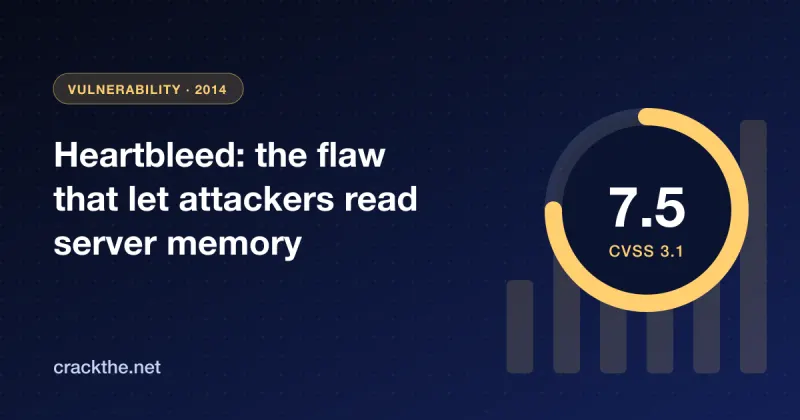
Heartbleed
A missing check in OpenSSL let attackers read pieces of server memory, from passwords to private keys, without leaving a trace in normal logs.
24–55 % of HTTPS servers among the top million websites were vulnerable at first
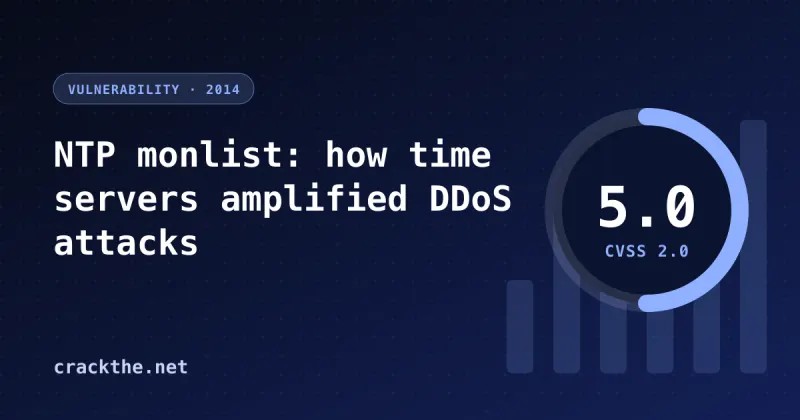
NTP monlist
A diagnostic command in NTP time servers answered a tiny request with a list of up to 600 addresses. This let attackers with forged sender addresses use more than a million servers as amplifiers for DDoS attacks.
2,166,097 different addresses of vulnerable NTP servers in 15 weeks of scans
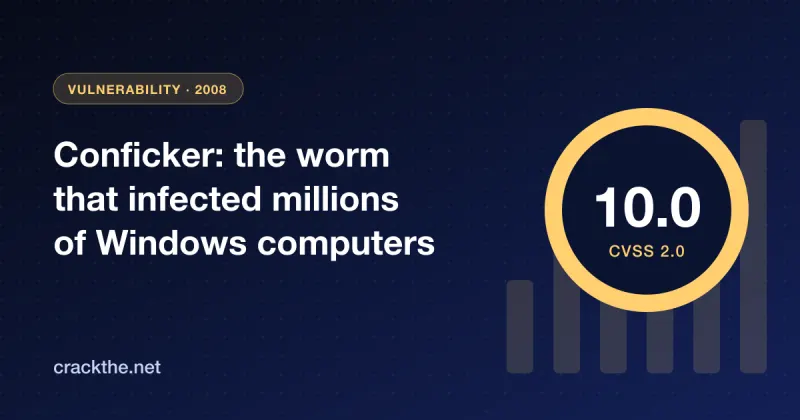
Conficker
A Windows worm looked for updates at up to 50,000 new domain names a day. Defenders in over 100 countries worked together to block them.
5–13 million computers infected one year after the outbreak
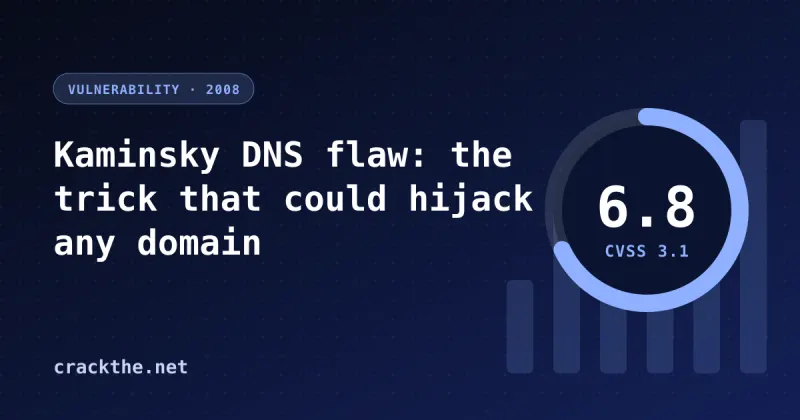
Kaminsky DNS
A weakness in the DNS let attackers plant false addresses for any domain in a resolver's cache within seconds. They could then send the resolver's users to servers of their choice.
57 % of 0.9 million open resolvers still sent every query from the same port months after the fixes
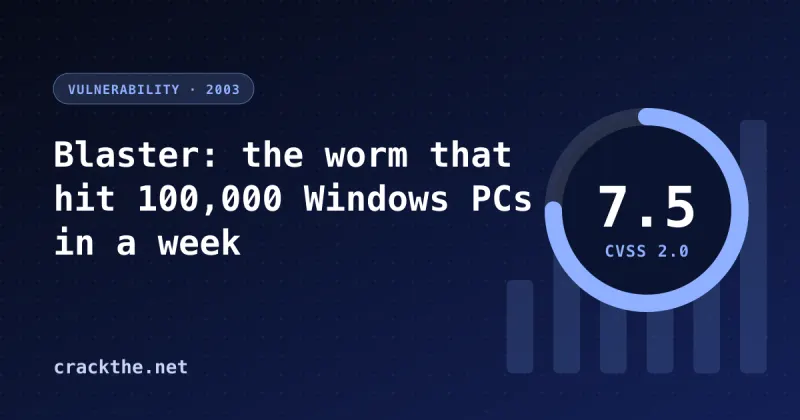
Blaster
Through a flaw in a Windows service that runs by default, a worm infected more than 100,000 computers in a week. A year later, it was still spreading.
100,000+ Windows computers infected in the first week
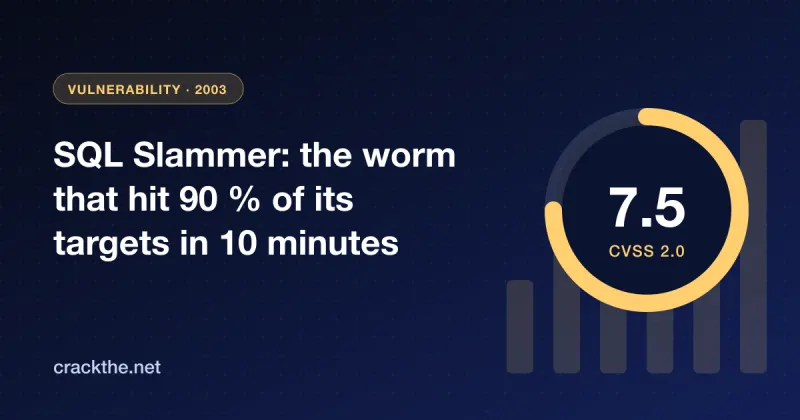
SQL Slammer
A worm of just 376 bytes spread a hundred times faster than Code Red and flooded networks with its traffic.
10 min to infect more than 90 % of vulnerable servers
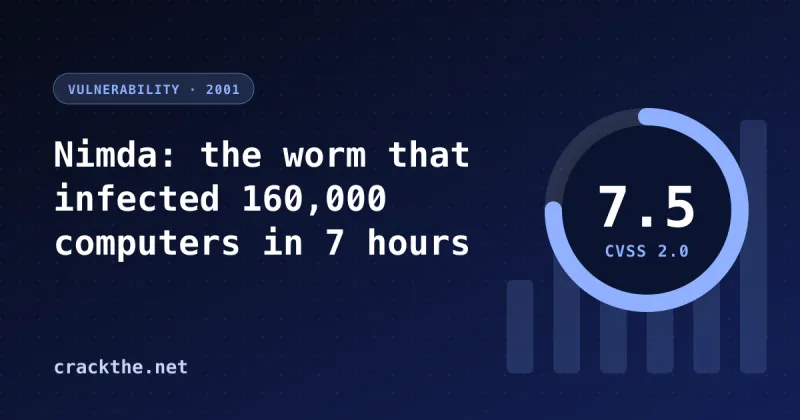
Nimda
A worm attacked Microsoft's web servers and Windows PCs by five routes at once, from e-mail to backdoors left by CodeRedII. It infected 160,000 computers within seven hours.
160,000 computers infected at the peak, 7 hours after the outbreak began
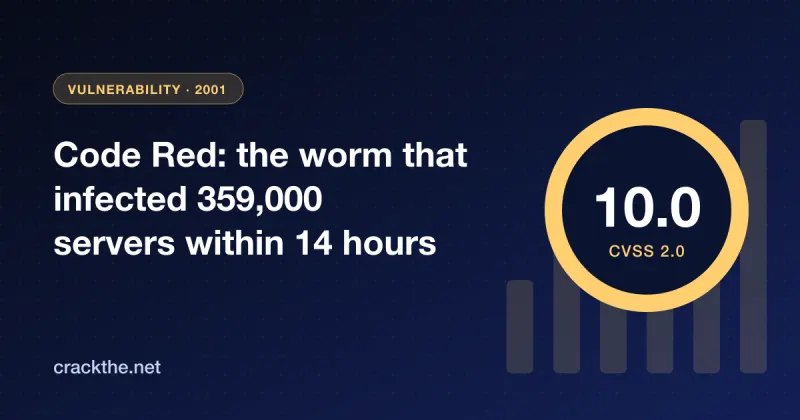
Code Red
A self-spreading worm used a flaw in Microsoft's web server software IIS, a month after Microsoft had published the fix.
359,104 computers infected in less than 14 hours
How a vulnerability gets on this listAll vulnerabilities with their records
The biggest IT attacks
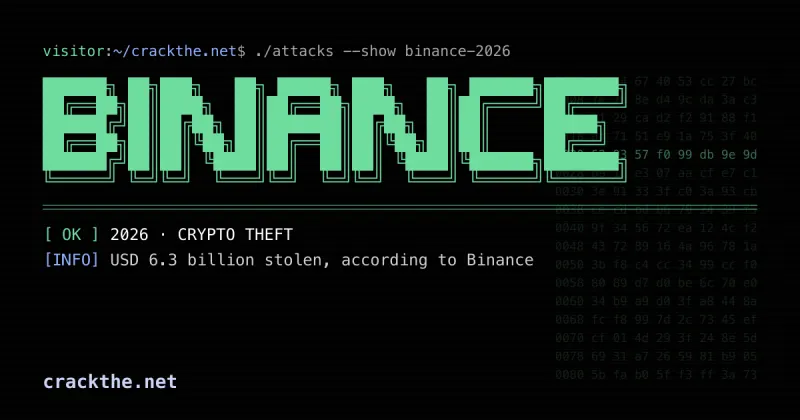 Binance hack
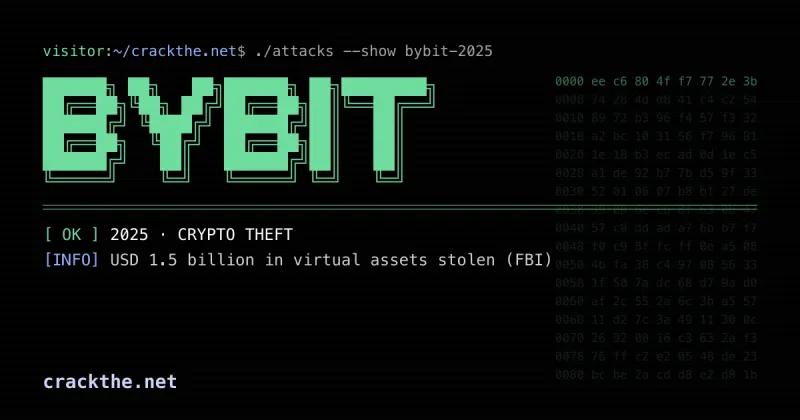 Bybit hack
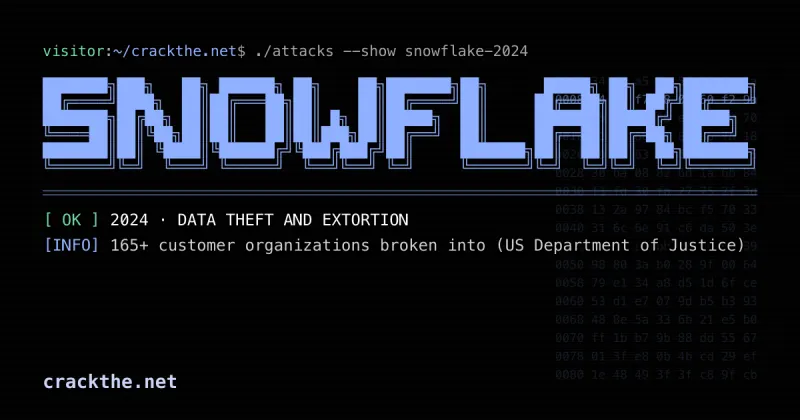 Snowflake customer breaches
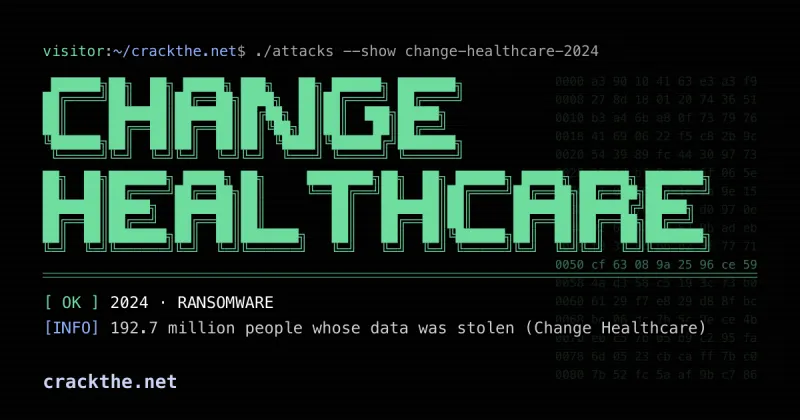 Change Healthcare ransomware attack
 Kyivstar cyberattack
 DP World Australia cyberattack
 Costa Rica government ransomware attacks
 Ronin bridge hack
 Iran fuel station cyberattack
 Transnet port terminals cyberattack
 HSE ransomware attack (Ireland)
 Colonial Pipeline ransomware attack
 Facebook phone number scrape
 Capital One data breach
 Marriott (Starwood) guest database breach
 MyFitnessPal data breach
 Coincheck NEM theft
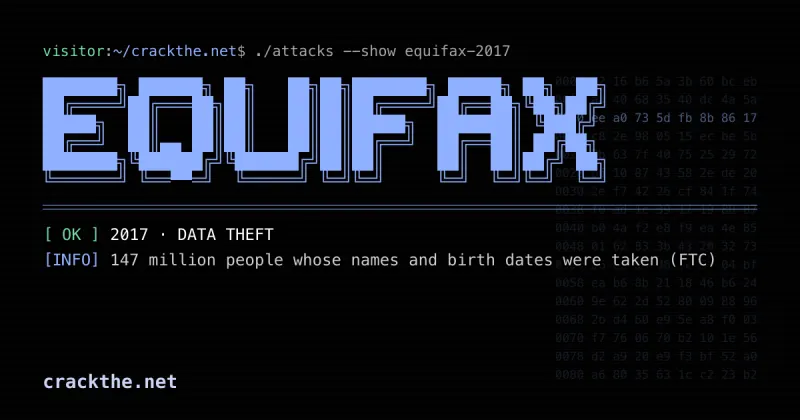 Equifax data breach
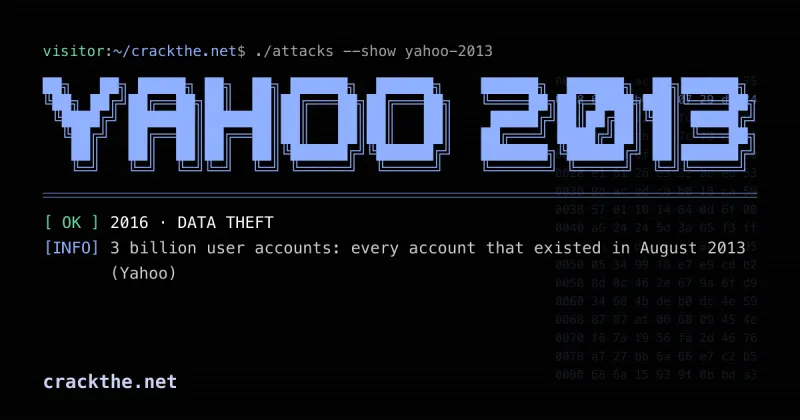 Yahoo data theft of 2013
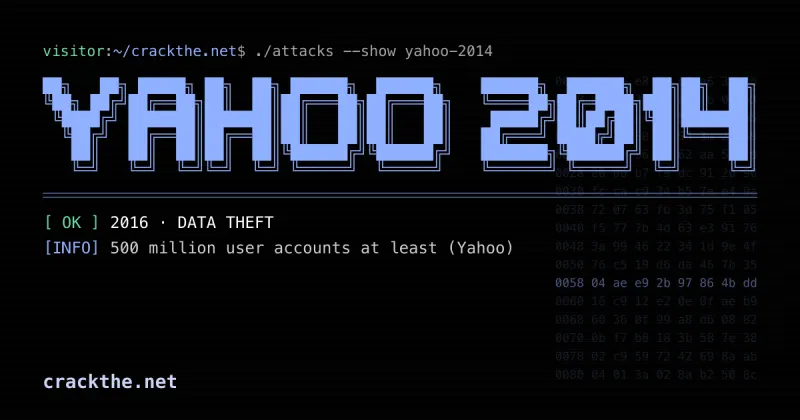 Yahoo data theft of 2014
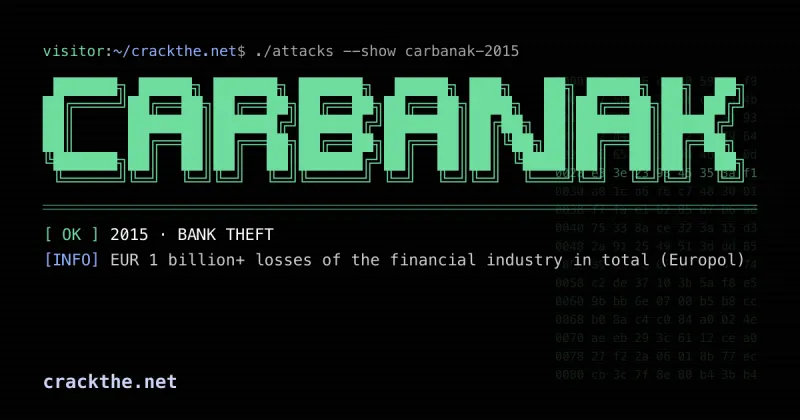 Carbanak and Cobalt bank thefts
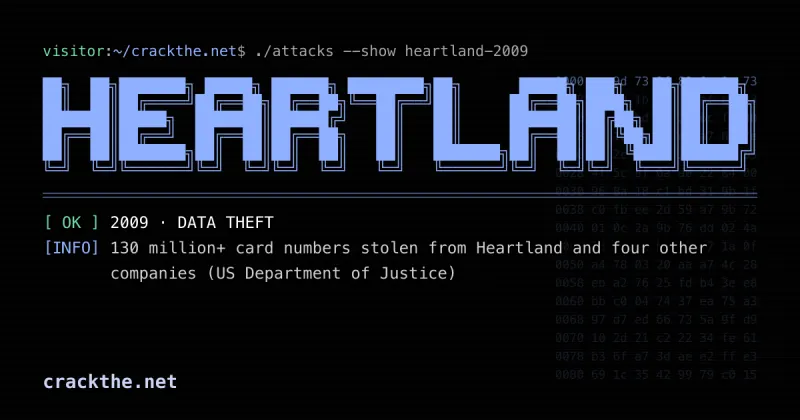 Heartland Payment Systems breach
The biggest ICS attacks
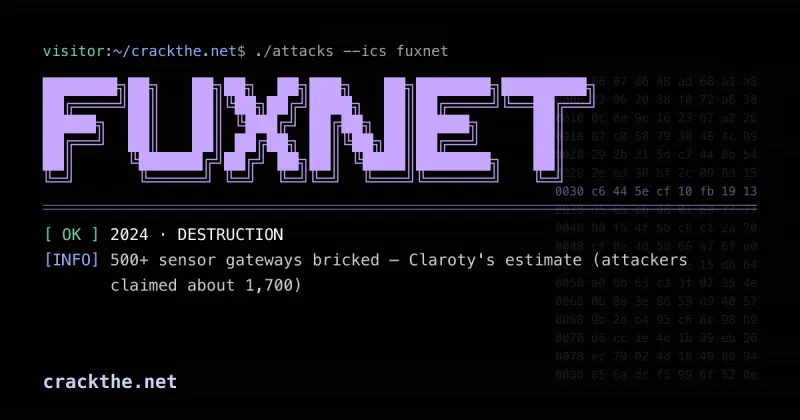 Fuxnet
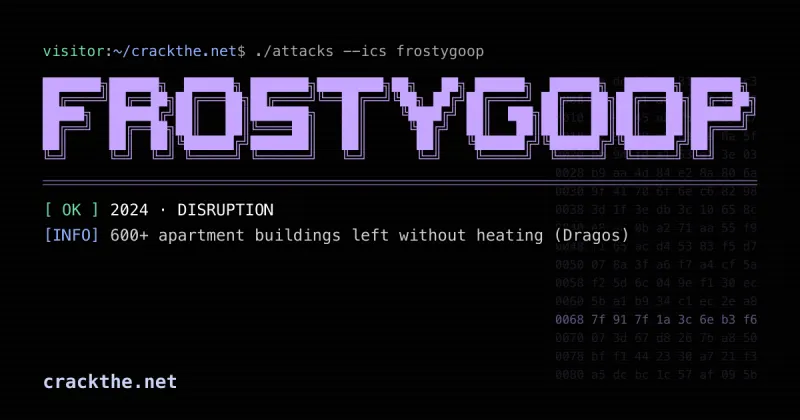 FrostyGoop / BUSTLEBERM
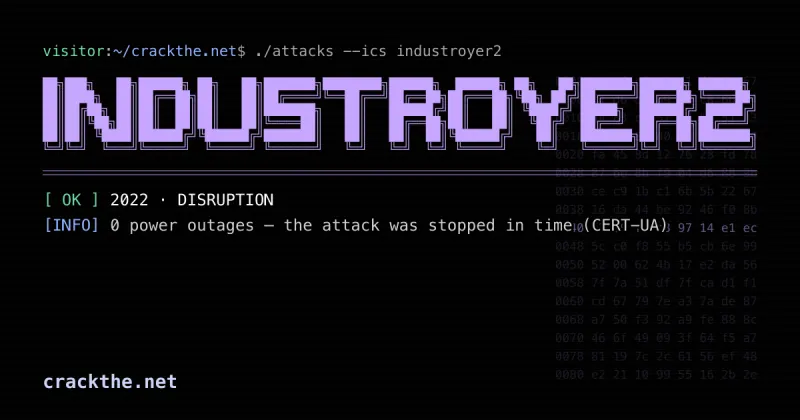 Industroyer2
 PIPEDREAM / INCONTROLLER
 EKANS / Snake
 TRISIS / TRITON
 Industroyer / CRASHOVERRIDE
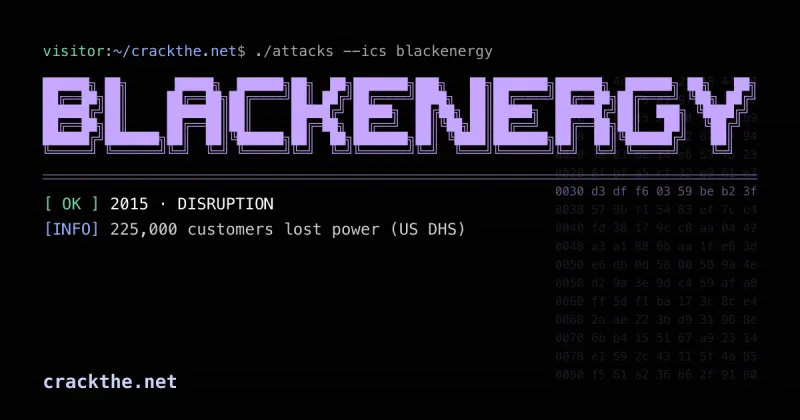 BlackEnergy
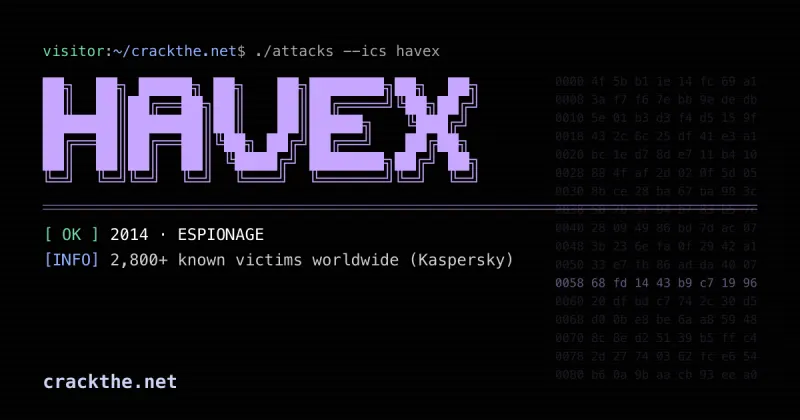 Havex
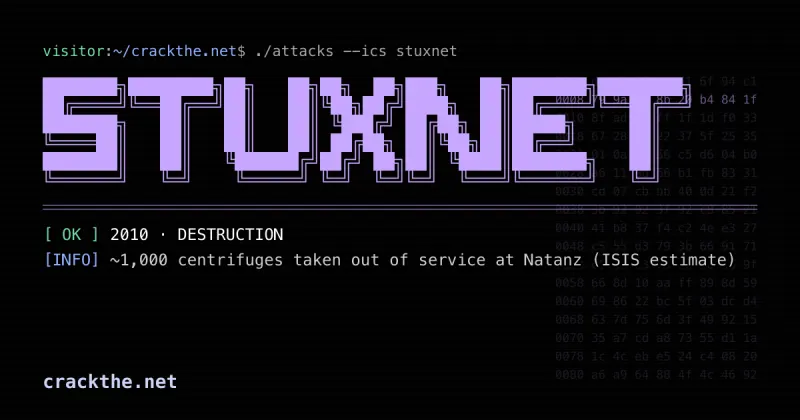 Stuxnet
How an attack gets on this listAll attacks with their figures
Security & Privacy
Tools and guides that help, and what the archive measures.